Helping Pastors Teach God’s Design for Marriage Before and After the Wedding
Are We Preparing Couples for Marriage—or Just a Wedding?
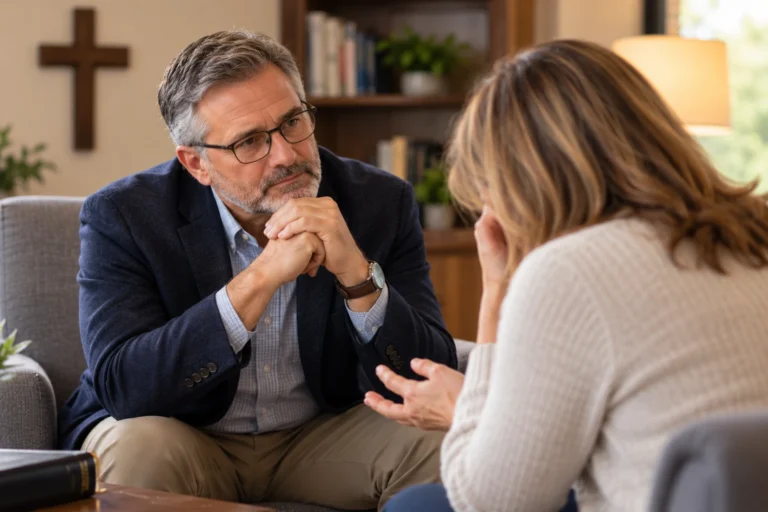
Pastors, when a couple comes to you wanting to get married, what are we really preparing them for?
A beautiful ceremony? A meaningful exchange of vows? A celebration surrounded by family and friends?
Certainly, these things have value. But our responsibility goes much deeper.
We are helping two people understand what it means to enter a covenant before God.
And I wonder whether we sometimes assume that couples understand the meaning of covenant marriage simply because they have grown up in the church.
In my years of counseling and working with married and engaged couples, I have found that many couples genuinely love one another but have given surprisingly little thought to what it means to build a marriage that honors God.
They understand romance. They understand attraction. They may even understand commitment.
But do they understand covenant?
And perhaps more importantly, are we teaching them?
Marriage Is More Than a Contract
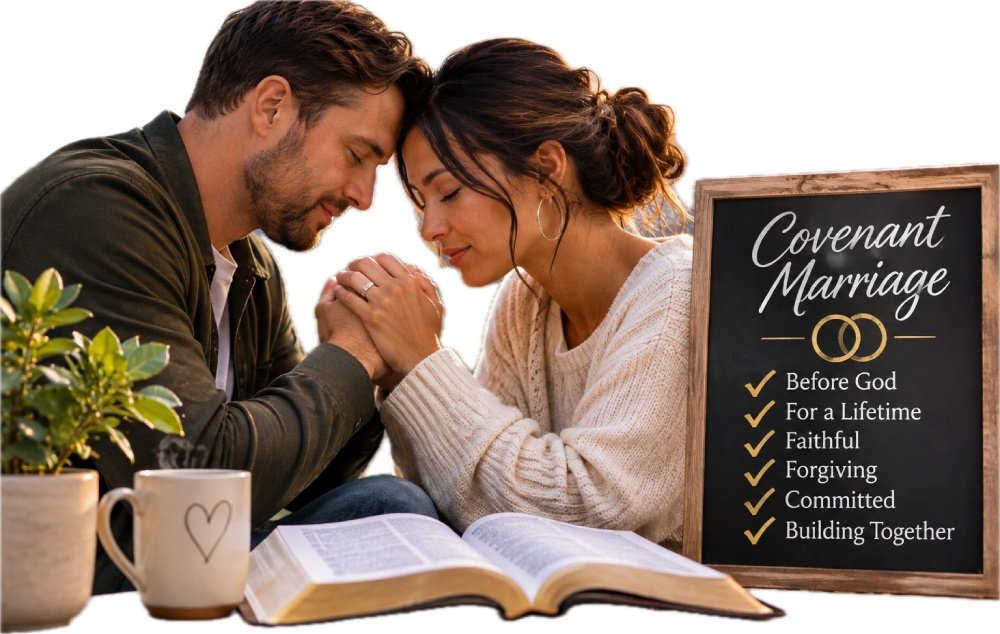
Scripture describes marriage as a covenant.
“Yet is she thy companion, and the wife of thy covenant.” — Malachi 2:14 (ASV)
A contract generally focuses on what each person agrees to give or receive. A covenant establishes a relationship of faithfulness, responsibility, and enduring commitment.
I often encourage couples to consider the difference between two questions:
A contract asks, “What am I getting?”
A covenant asks, “What are we building together?”
That distinction changes how couples approach their relationship.
When marriage is primarily about getting personal needs met, disagreements can quickly become competitions. Each person begins defending a position, protecting personal interests, or demanding that the other person change.
But covenant marriage calls us to something greater.
In my book, Marriage on Purpose, I emphasize the importance of moving from “Me” to “We.”
Instead of asking, “Who is right?” couples learn to ask, “What is best for our marriage?”
This is not about losing personal identity or ignoring legitimate needs. It is about learning to make decisions with a shared commitment to the good of the marriage.
Pastors, this is one of the most important principles we can teach couples before they ever walk down the aisle.
Why Covenant Marriage Matters to the Church
Marriage is not simply a private relationship between two people. It is also an opportunity to reflect the character and faithfulness of God.
Ephesians 5:25–33 points us toward Christ’s sacrificial love for the church. Genesis 2:24 describes the joining of husband and wife as one flesh.
These passages remind us that Christian marriage carries spiritual meaning beyond personal happiness.
Covenant marriage invites couples to practice:
-
Faithfulness when circumstances become difficult.
-
Forgiveness when they disappoint one another.
-
Honesty when truth is uncomfortable.
-
Responsibility rather than blame.
-
Sacrificial love rather than selfishness.
-
Companionship built on mutual respect and trust.
But these qualities do not automatically appear when a couple says, “I do.”
They must be understood, practiced, and strengthened over time.
That is why premarital preparation matters. And it is why the church’s responsibility to married couples does not end with the wedding ceremony.
The Conversation We Sometimes Avoid: Sexual Intimacy Before Marriage
There is another important aspect of covenant marriage that pastors cannot afford to overlook.
What are we teaching couples about sexual intimacy before marriage?
Our culture increasingly treats sexual intimacy as a natural step in determining whether two people are compatible.
Even within the church, some couples may see little connection between their sexual choices and their spiritual commitment.
As pastors and marriage mentors, we need to help couples understand not simply what Scripture teaches, but why it matters.
Sexual intimacy is not something dirty or shameful.
It is God’s good gift, designed to be enjoyed within the covenant of marriage.
“Let marriage be had in honor among all, and let the bed be undefiled.” — Hebrews 13:4 (ASV)
God’s design places covenant commitment before sexual union.
This is not merely a rule intended to restrict behavior. It reflects the significance of what sexual intimacy communicates.
The physical joining of two people is intended to express the covenant commitment they have made to one another.
When we teach couples to wait until marriage, we are inviting them to honor that design.
Waiting Is About More Than Saying No
I believe we sometimes make a mistake when we teach sexual purity only in terms of what couples must not do.
We tell them to avoid sexual intimacy before marriage, but do we help them understand what they are choosing to protect?
Waiting provides an opportunity to develop qualities that will be essential throughout married life.
Couples can learn to exercise self-control, respect boundaries, communicate honestly, and make decisions based on shared convictions rather than immediate desires.
It also gives them opportunities to discover whether they are developing the relational foundation necessary for marriage.
Can they resolve disagreements without attacking one another?
Can they discuss money honestly?
Can they acknowledge personal weaknesses?
Can they take responsibility when they are wrong?
Can they talk openly about their faith, expectations, and future?
Physical attraction, as wonderful as it may be, cannot answer these questions.
And sexual intimacy cannot substitute for the emotional, relational, and spiritual work of preparing for marriage.
The goal is not simply to help couples avoid sex before the wedding. It is to help them begin marriage with a shared commitment to honor God in every area of their relationship.
What About Couples Who Are Already Sexually Intimate?
This is where pastoral sensitivity becomes especially important.
Many couples seeking marriage in our churches are already sexually involved. Some are living together. Others have experienced previous relationships, divorce, or painful sexual experiences.
How do we respond?
Do we communicate condemnation?
Do we avoid the subject because we are uncomfortable?
Or do we create a safe environment where biblical truth and God’s grace can be experienced together?
I believe we must hold firmly to both.
God’s design for sexual intimacy does not change because a couple has already crossed that boundary.
But neither does God’s grace disappear.
First John 1:9 reminds us of God’s faithfulness to forgive and cleanse those who confess their sins.
A couple’s past choices do not determine their worth or eliminate the possibility of building a God-honoring marriage.
Pastors can help couples consider what repentance, forgiveness, renewed boundaries, and intentional commitment might look like moving forward.
This conversation should never be about humiliation or shame.
It should be about helping couples understand that they can begin honoring God’s design today.
We must also remember that not every sexual experience has been freely chosen. Past experiences of coercion, abuse, or sexual assault require compassion, appropriate care, and a clear understanding that victims are not responsible for the violations committed against them.
Sometimes the most pastoral thing we can do is create enough safety for someone to tell the truth.
Covenant Marriage Must Never Become an Excuse for Abuse
There is another message I believe pastors must communicate clearly.
Covenant faithfulness does not mean accepting abuse, ignoring serious harm, or remaining in danger.
When we teach the permanence and sacredness of marriage, we must also teach the responsibilities that accompany that covenant.
Love includes truth.
Faithfulness includes accountability.
And a healthy covenant relationship requires safety.
A spouse who is being abused should never be told that enduring harm is simply part of honoring the marriage covenant.
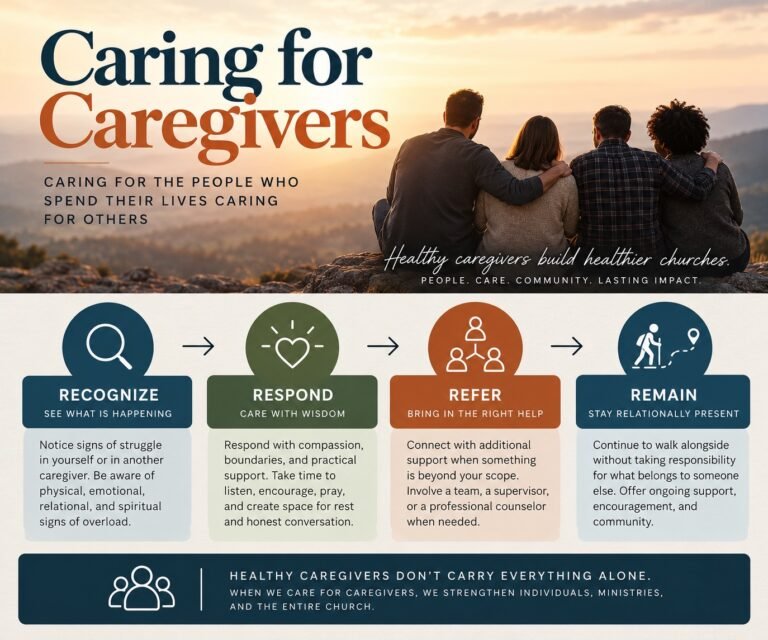
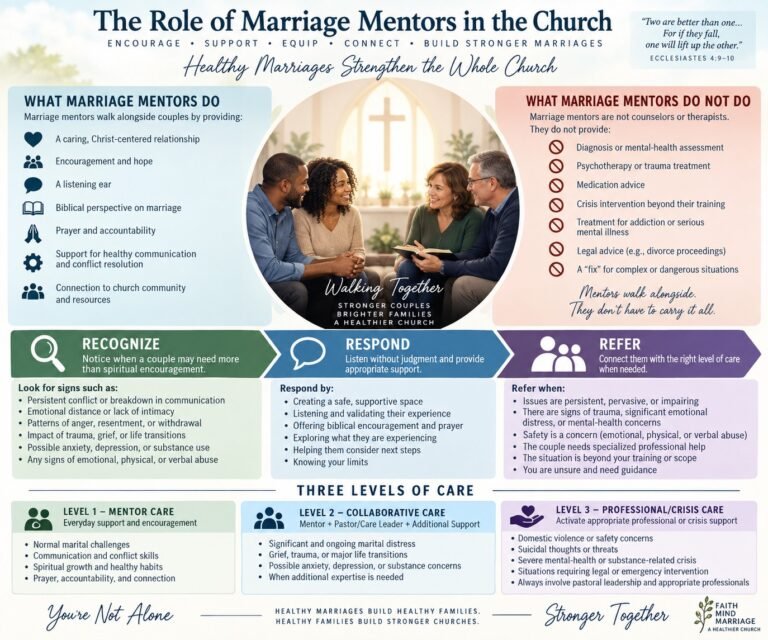
Pastors and marriage mentors need to recognize when difficulties extend beyond ordinary marital conflict and require professional intervention or protective action.
Our responsibility is not simply to preserve the appearance of a marriage.
It is to care faithfully for the people within it.
How Can Pastors Strengthen Covenant Marriage in Their Churches?
I believe there are several ways churches can help couples develop a deeper understanding of marriage.
First, teach covenant before the wedding.
Premarital preparation should include more than wedding logistics and a few conversations about communication. Couples need opportunities to explore the biblical meaning of marriage, their expectations, spiritual commitments, and their willingness to take responsibility for their relationship.
Second, teach the purpose behind sexual boundaries.
Help couples understand that waiting until marriage is not about earning God’s approval. It is about honoring His design and learning to place covenant commitment before physical desire.
Third, train marriage mentors to walk alongside couples.
Well-equipped mentors can help couples recognize unhealthy patterns, ask meaningful questions, and develop the skills necessary for a healthy marriage.
Mentors do not need to become therapists. They need to know how to listen, encourage, recognize concerns, and refer when professional help is needed.
Fourth, continue supporting couples after the wedding.
The wedding is the beginning, not the completion, of marriage preparation.
Couples need ongoing encouragement, accountability, and opportunities to grow.
Finally, consistently bring couples back to one question:
“What is best for our marriage?”
This question redirects attention away from winning an argument and toward building a shared life.
It encourages couples to move from self-protection toward mutual responsibility.
From “Me” to “We.”
A Question for Pastors
As you consider the couples in your congregation, I would encourage you to ask:
Are we helping them understand the covenant they are entering, or are we assuming they already know?
Are we teaching sexual purity as a list of restrictions, or as an opportunity to honor God’s good design?
Are we providing a safe place for couples to talk honestly about their struggles, questions, and past choices?
And are we equipping people to walk alongside couples long after the wedding is over?
These are important questions because the strength of our marriages affects the strength of our families, our congregations, and the next generation.
The Heart of Covenant Marriage
Marriage is not about two perfect people creating a perfect relationship.
It is about two imperfect people intentionally choosing to honor God through their commitment to one another.
Sexual intimacy is not the foundation of the covenant. It is a gift intended to be enjoyed within it.
The foundation is a shared commitment to God, to one another, and to building a marriage characterized by faithfulness, honesty, responsibility, forgiveness, and love.
Pastors, we have a wonderful opportunity to help couples understand this truth before they marry—and to continue strengthening that understanding throughout their married lives.
Our goal is not simply to help couples have a Christian wedding. It is to equip them to build a Christ-honoring marriage.
And that begins when we help them move from “Me” to “We.”
⸻
Dr. Deborah C. Bauers, LPC
Author of Marriage on Purpose — Moving from “Me” to “We”
Dr. Bauers is a Licensed Professional Counselor who equips pastors, church leaders, and marriage mentors to integrate emotional, relational, and spiritual health into the life of the church.