A Companion Article to Marriage on Purpose
Introduction
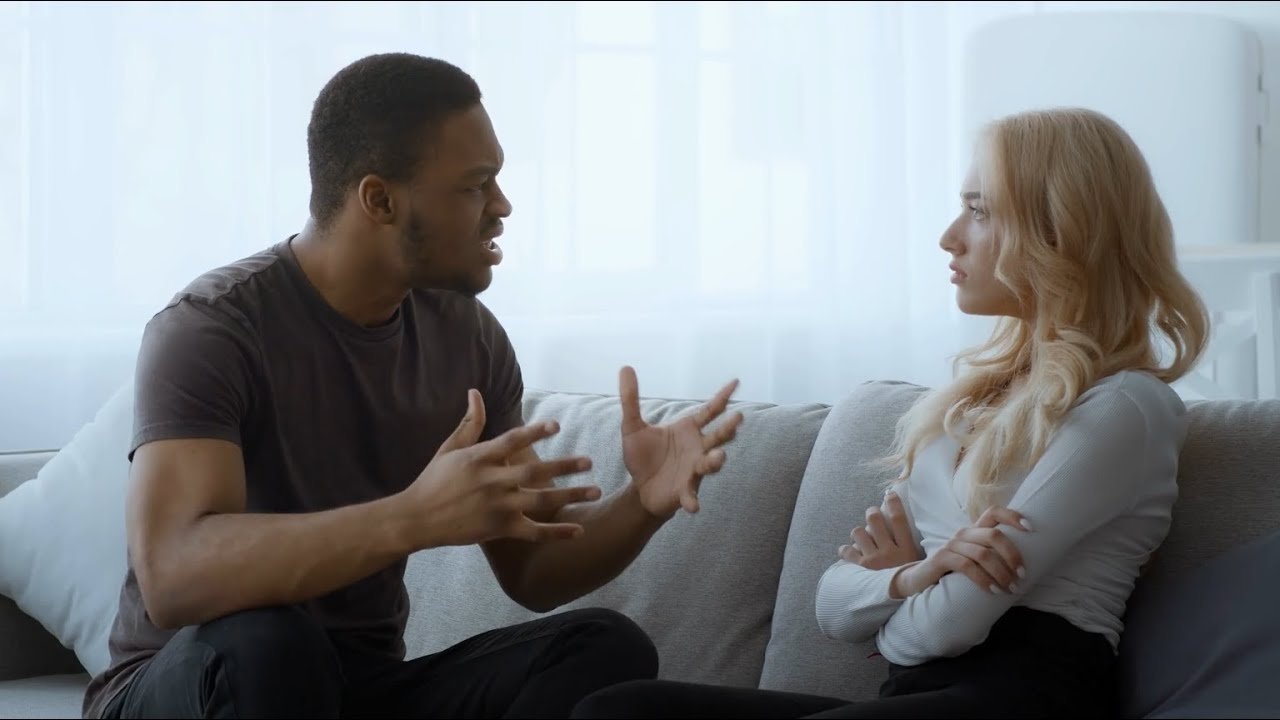
Marriage is designed for intimacy, connection, and oneness. Yet one of the most common disruptions to that design is dishonesty. When spouses lie to each other—whether subtly or overtly—it erodes trust, creates distance, and weakens the foundation of the relationship.
But here’s an important truth:
Lying in marriage is rarely the core issue—it’s a symptom of something deeper.
If we want to build marriages on purpose, we must go beneath the surface and understand _why_dishonesty shows up in the first place.
Lying Begins in the Heart
In The Bible, Luke 6:45 reminds us that “out of the overflow of the heart the mouth speaks.”
Our words—truthful or not—are a reflection of what’s happening internally.
When a spouse lies, it’s not just a communication issue. It’s a heart issue. Something deeper is driving the behavior—fear, insecurity, shame, or unmet needs.
The better question is not “Why did you lie?” but “What’s happening underneath?”
Fear: The Primary Driver
At the root of most dishonesty in marriage is fear:
-
Fear of conflict
-
Fear of rejection
-
Fear of disappointing a spouse
-
Fear of consequences
When emotional safety is missing, people begin to manage outcomes instead of telling the truth.
–In a marriage built on purpose, safety invites honesty. Fear suppresses it.
Self-Protection and Image Management
Many spouses lie to protect how they are perceived.
They don’t want to look weak.
They don’t want to be misunderstood.
They don’t want to be exposed.
So instead of living authentically, they protect a version of themselves—and that creates distance instead of connection.
Avoiding Conflict at All Costs
“It’s not worth the argument.”
“I don’t want to upset them.”
Sound familiar?
Avoiding conflict may feel like peace in the moment—but it’s not real peace. It’s delayed tension.
Short-term comfort often leads to long-term disconnection.
Unmet Needs and Silent Expectations
Dishonesty often grows where needs go unspoken.
When someone feels unheard, unvalued, or disconnected, they may stop sharing honestly because they don’t believe it will be received well.
Unspoken needs don’t disappear. They often become resentment… and eventually, secrecy.
Learned Patterns from the Past
For many, dishonesty didn’t begin in marriage.
It was learned:
-
In family dynamics
-
As a way to avoid punishment
-
As a way to maintain peace
What once helped someone survive can quietly damage a covenant relationship**.**
Guilt, Shame, and the Desire to Hide
From the beginning (Genesis 3), the human response to shame has been to hide.
That same pattern shows up in marriage.
Shame says: “Hide so you won’t be rejected.”
Truth says: “Bring it into the light so it can be healed.”
When Communication Breaks Down
Sometimes dishonesty isn’t intentional—it’s a lack of skill.
Spouses may not know:
-
How to express hard emotions
-
How to communicate needs clearly
-
How to navigate conflict
So instead of clarity, they choose avoidance or partial truth.
Control and Power Dynamics
In some marriages, dishonesty becomes a way to control outcomes. If I control what you know, I can influence how you respond.
This erodes trust and creates imbalance of power in the relationship.
The Cost of Dishonesty
No matter the cause, dishonesty always carries a cost:
-
Erodes trust
-
Creates emotional distance
-
Weakens spiritual unity
-
Replaces intimacy with isolation
Marriage cannot thrive where truth is absent.
God’s Design: Truth Builds Intimacy
Ephesians 4:25 calls us to speak truth because we belong to one another.
Truth is not just about being right—it’s about being connected.
–Truth + Grace = Safety
And safety is what allows intimacy to grow.
Moving Toward Restoration
If dishonesty has been part of your marriage, there is hope.
-
Create Emotional Safety
Respond to honesty without punishment or harsh reactions.
-
Practice Honest Communication
Use simple language:
“I feel… when… and what I need is…”
-
Take Responsibility
Own your choices without blame or defensiveness.
-
Reconnect Spiritually
Invite God into your process. Healing begins with alignment.
Final Thought
If you’re struggling with dishonesty in your marriage, don’t just address behavior—address the heart.
Truth is not the threat to your marriage—fear is. And when truth is handled with grace, it becomes the pathway to deeper intimacy.